Weekend 4WD Priorities: Write the Trip Brief Before the Build
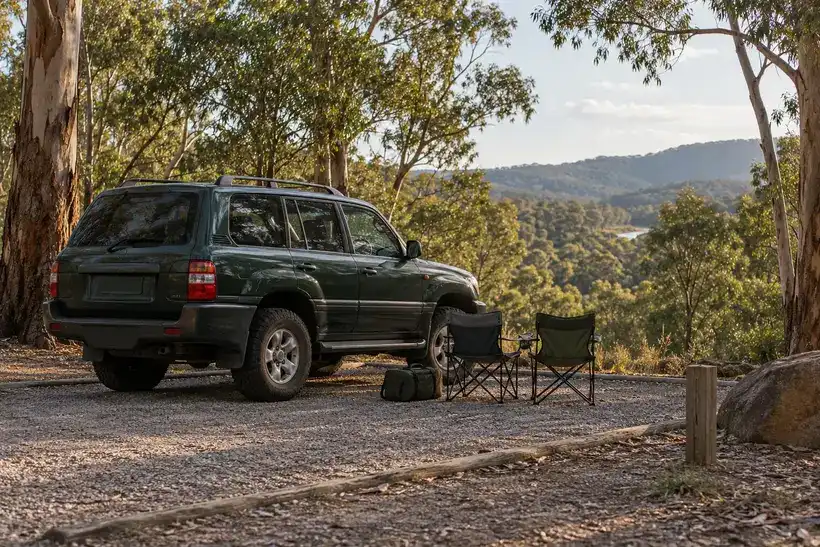
Weekend 4WD priorities begin with the kind of time away you want to have. Describe the outing, the people coming and the practical commitments around it before turning the conversation into an accessory list. A short trip brief gives you something concrete to discuss with an appropriate vehicle or equipment provider.
A two-night camping plan, a day visit and a longer touring ambition can all sit in the same imagination. They do not need to become one immediate vehicle project. Separate the next realistic outing from ideas you may pursue later, then identify the preparation questions each one raises.
If changing recreation interests has led you to consider whether to sell your motorcycle, keep that decision distinct from the 4WD plan. An intended sale does not confirm a collection or make a touring setup ready. Review the role of each vehicle on its own terms while planning the trips you can actually arrange.
Define what the weekend is for
Write one sentence about the purpose of the proposed outing. You might want a quiet campground stay, time with friends or a visit to a particular destination. Describe what would make the weekend worthwhile without assuming that a more demanding route or more elaborate setup would improve it.
Ask the other travellers for their priorities. One person may be looking forward to a settled camp, while another imagines moving between several places. Discovering that difference before the trip can change the plan more usefully than adding another piece of equipment.
The ARB Rockingham weekend setup guide starts with where owners actually spend their weekends and discusses building in stages. For an initial brief, take that intended-use approach and keep the technical choices for a vehicle-specific discussion. A product mentioned in a guide is not automatically a requirement for your trip.
Record the next outing separately from a future remote touring goal. The larger ambition may be important, but its preparation needs deserve their own assessment. Avoid presenting it as confirmed simply because it appears in the same notebook.
Put real commitments around the idea
Note when people can leave, when they need to return and which arrangements remain unconfirmed. A Friday departure after work creates a different planning question from a free day at home before travel. Keep those constraints visible rather than designing the whole weekend around an idealised schedule.
If accommodation or a campsite is involved, verify the relevant details directly before relying on it. A place remembered from a previous trip may have different arrangements for the proposed dates. Keep an enquiry marked as an enquiry until it has been answered.
Leave unresolved route questions explicit. The trip brief is an early planning document, not evidence that a track is open, suitable or accessible to you. Check current information through the relevant operators or land managers when developing the actual itinerary.
Our guide to planning a 4x4 trip in Australia offers broader reading for the next stage. Use your brief to identify which questions need more work before the outing becomes a confirmed plan.
Describe who is travelling and how they want to stay
List the travellers and the accommodation arrangement you are considering. A group meeting at a campground has different coordination needs from everyone travelling in one vehicle. The purpose is to understand the plan, not to assume that one configuration will suit every person.
Ask what belongings are genuinely tied to the proposed activities. A camping trip and a cabin stay may involve different equipment, even at the same destination. Start with those differences before deciding that the vehicle needs permanent storage changes.
Discuss the parts of the weekend that happen outside the driving. Arrival, meals, time at the destination and departure are all part of the experience. If someone needs to leave earlier, record that while the arrangement is still easy to reconsider.
Keep personal information proportionate when sharing the brief. A provider may need to know the intended number of occupants or the equipment involved, but not a detailed account of every traveller's private life. Share the facts relevant to the assessment and ask what else is required.
Separate preparation requirements from optional comforts
Create two distinct sets of questions. One concerns what must be assessed for the vehicle, route and planned use. The other concerns preferences that may make the weekend more pleasant. Do not allow an appealing convenience item to stand in for answering a readiness question.
For technical suitability, consult the relevant vehicle information and appropriately qualified providers. A list of favourite accessories cannot establish carrying limits, compatibility or vehicle condition. Keep those questions open until they have been addressed for the actual setup.
For optional comforts, describe the problem before the product. 'We want a simpler way to find the cooking items' is a useful observation. 'We need the same drawer system as that vehicle online' skips the question of what you carry, how you use it and what installation would involve.
The Bars N Racks touring setup guide discusses intended use, travellers, equipment and the overall vehicle configuration. That is useful context for a consultation. Keep product selection and the implications of a proposed change tied to your vehicle rather than copying a build list.
Make a modest inventory for the consultation
Write down the equipment you already own and expect to use for the planned outing. Identify items that are borrowed or not yet confirmed, as well as accessories already fitted to the vehicle. An accurate starting point is more useful than a wishlist presented as the current setup.
Explain how an item relates to the activity. If it is included only because it has always been stored with camping gear, ask whether it belongs in this particular plan. That question helps clarify the inventory without claiming that a shorter list is automatically sufficient for the trip.
Do not estimate technical capacity from how much empty space you can see. A vehicle can have room for an object without that observation answering whether or how it should be carried. Have the relevant loading and equipment questions assessed before turning the inventory into a final arrangement.
Keep this list as information for planning. It is not a complete equipment checklist for off-road travel. Our 4x4 trip planning checklist provides further reading, while the requirements of the actual journey still need appropriate review.
Remember the vehicle's ordinary week
A weekend setup also exists between trips. Describe how the vehicle is used for work, household journeys or other commitments. A change that seems attractive at a campsite may raise a different question during the ordinary week.
Consider what would need to be installed, removed or stored between outings and ask the provider how the proposed arrangement works. Avoid assuming that an accessory will be convenient to swap simply because its description sounds modular. Confirm the relevant details for the equipment and vehicle involved.
The same applies to storage at home. If the trip plan depends on a space becoming available after a vehicle sale, keep that dependency visible until the arrangement is complete. Do not fill a future space on paper as though it is already ready to use.
These everyday considerations belong in the brief because they describe the job the setup needs to perform. They can help a provider understand why a permanent fitout, a different configuration or further investigation is being considered, without deciding the answer in advance.
Compare two fictional weekend ideas
Imagine a household choosing between a settled two-night campground stay and a weekend that moves between several destinations. They already own some camping equipment, but have not confirmed accommodation or discussed the vehicle setup with a provider.
For the settled stay, their main preference is spending more time at the destination. For the moving itinerary, they want to understand how often they would pack and unpack. They record those differences instead of assuming that both ideas call for the same accessories.
They decide to develop the settled stay first because it matches the time everyone currently has available. Route information, accommodation details and vehicle readiness remain separate tasks to resolve. An unused motorcycle is also being reviewed, but no sale proceeds or collection date are assumed in the trip arrangement.
After a suitable outing, the household can describe actual frustrations more clearly. Perhaps they spent too long searching for a particular item or preferred a different arrival routine. Those observations become questions for the next consultation rather than proof that a particular product must be bought.
This is a fictional example of decision-making, not a recommended itinerary or a customer account. It shows how the purpose of a weekend can guide the next planning step without pretending that a brief settles technical requirements.
Take one clear question to the right provider
Turn the most important unresolved point into a specific enquiry. For a vehicle assessment, provide the details requested by the appropriately qualified service provider. For an accessory discussion, explain the current configuration and intended use. For a destination question, use the responsible operator's current information.
Keep the different answers separate. A supplier confirming that a product fits does not establish the suitability of a route. A campsite booking does not establish that the vehicle is ready. Each answer should resolve the question it actually addresses.
Our essential guide for 4x4 beginners offers wider introductory reading. If you are new to a type of travel, seek appropriate instruction and assessment before treating equipment ownership as preparation for it.
Review priorities after a real outing
Once an appropriately planned trip has taken place, record what supported the weekend and what was awkward. Use concrete observations. 'The departure took longer because we had not agreed which bags were coming' points to a different next step from 'the vehicle needs more accessories'.
Keep the conclusions limited to the experience you actually had. A setup that worked for a settled weekend does not automatically answer the questions raised by a remote journey. If the travel goal changes, revisit the brief and have the new requirements assessed.
Weekend 4WD priorities become clearer when the outing comes first. Describe the purpose, the people and the current setup, then take unresolved questions to the appropriate source. Let each considered trip improve the next brief, so the vehicle conversation stays connected to the weekends you want to spend away.