4x4 Touring: Fuel, Water, Communication
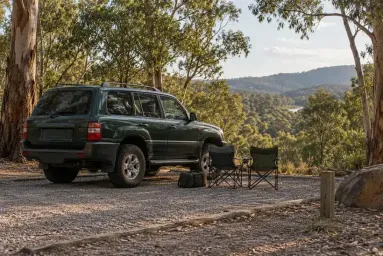
As you prepare for your next 4x4 adventure, remember that every journey begins with a solid plan. What factors should you consider to ensure a safe and enjoyable experience? Let's uncover the essentials!
What You Will Learn
- Thorough planning is crucial for successful 4x4 touring in remote areas.
- Key factors include route selection, weather conditions, and vehicle capabilities.
- Understanding fuel needs helps prevent unexpected stops during long-distance travel.
- Choosing the right communication devices is essential for safety in isolated regions.
- Emergency preparedness can make a significant difference in overcoming unforeseen challenges.
Key Considerations for Your 4x4 Touring Expedition
A well-planned 4x4 adventure requires careful consideration of several critical factors to ensure safety and enjoyment in remote Australian landscapes.
Adventure Planning
Route & Conditions
Crucial for mitigating risks. Includes track conditions, weather forecasts, and emergency protocols.
Vehicle Selection
4x4 Capabilities
Choose a vehicle with a robust drivetrain, high ground clearance, and adequate payload capacity.
Logistics
Fuel & Water
Calculate fuel range and daily water needs based on trip distance, conditions, and climate.
Safety First
Communication & Emergency
Equip UHF radios or satellite phones and a comprehensive emergency kit for breakdowns.
Essential Considerations for Your 4x4 Touring Adventure
Planning is key when it comes to embarking on a 4x4 touring adventure in remote areas. Without proper preparation, the excitement of the journey can quickly turn into a daunting challenge. Imagine being far from civilization, facing unexpected obstacles without the necessary resources. That's why it's essential to prepare thoroughly, ensuring you not only maximize your enjoyment but also minimize risks!
By understanding the terrain, weather, and potential hazards, you can create a comprehensive plan that accounts for both the rewards and risks of off-road travel. Preparation goes beyond just packing your gear; it includes knowing your route, vehicle capabilities, and what to expect along the way. After all, a well-planned trip can lead to unforgettable experiences and cherished memories!
Understanding the Importance of Planning for Remote Travel
When you venture into the wild, preparation is your best friend. The beauty of Australia's remote landscapes comes with challenges. Each adventure requires you to consider:
- Route selection and track conditions
- Weather forecasts and seasonal changes
- Vehicle capabilities and maintenance needs
- Emergency protocols and communication strategies
With these factors in mind, you can mitigate risks and make informed decisions that enhance your adventure. It's important to remember that while spontaneity can lead to exciting moments, a solid plan can ensure you remain safe and confident on your journey. Trust me, the more you prepare, the more you can focus on enjoying the stunning sights that Australia has to offer!
Choosing the Right 4x4 Vehicle for Your Adventure
Not all 4x4 vehicles are created equal, especially when it comes to off-road touring. Choosing the right one is critical for ensuring a smooth experience. Consider the following features when selecting a vehicle suitable for your adventure:
- Drivetrain: Look for a vehicle with a robust 4WD system that can handle various terrains.
- Ground clearance: Higher clearance helps navigate rocky paths and deep ruts.
- Weight and payload capacity: Ensure your vehicle can carry necessary gear without compromising performance.
- Fuel efficiency: A fuel-efficient vehicle is essential for long distances in remote areas.
As a four-wheel drive enthusiast, I can't stress enough how important it is to choose a vehicle that aligns with your specific needs and the types of terrain you'll encounter. Whether you're climbing sandy hills or cruising through muddy trails, the right 4x4 will make all the difference in your touring experience!
Fuel Planning Strategies for Long-Distance 4WD Touring
Calculating Your Fuel Range Effectively
Understanding your fuel range is vital for any long-distance journey. Assess your fuel needs based on the following criteria:
- Distance of your trip
- Driving conditions (e.g., off-road vs. highway)
- Vehicle specifications (mileage and fuel tank capacity)
By calculating these elements, you can establish a realistic fuel plan that prevents unexpected stops or running low on fuel in remote areas. Remember, having a straightforward plan goes a long way in keeping your adventure enjoyable and stress-free!
Interactive Poll: Your Adventure Awaits!
As you prepare for your 4x4 touring adventure, we want to hear from you! What aspect of planning do you find most challenging? Share your thoughts below:
Frequently Asked Questions (FAQs) About 4x4 Touring
Q: Why is thorough planning essential for 4x4 touring in remote areas?
A: Thorough planning is crucial because remote areas present unique challenges such as unpredictable terrain, varying weather conditions, and limited access to resources. Proper planning helps mitigate risks, ensures safety, and maximizes enjoyment by preparing for potential obstacles and emergencies.
Q: What key factors should be considered when planning a 4x4 expedition?
A: Key factors include route selection, current track conditions, detailed weather forecasts, the capabilities and maintenance needs of your vehicle, fuel and water requirements, and comprehensive emergency protocols and communication strategies.
Q: How do I choose the right 4x4 vehicle for my adventure?
A: When selecting a 4x4, consider its drivetrain (ensuring it's robust for various terrains), ground clearance (for navigating obstacles), weight and payload capacity (to carry all necessary gear), and fuel efficiency (for long distances in remote regions).
Q: What are the main considerations for fuel planning on long-distance 4WD tours?
A: Effective fuel planning involves calculating your fuel range based on the total distance of your trip, the specific driving conditions (off-road vs. highway), and your vehicle's mileage and fuel tank capacity. Always factor in a safety margin to prevent running low in isolated areas.
Q: What communication devices are recommended for safety in isolated regions?
A: For safety in isolated regions, it's recommended to equip yourself with UHF radios for short-range communication within a convoy and satellite phones for reliable long-range communication when out of mobile network range. A comprehensive emergency kit is also vital for breakdowns.
Recap and Key Takeaways for Your 4x4 Touring Expedition
As we wrap up our guide on 4x4 touring, it’s essential to remember that thorough planning is key for a successful adventure. From ensuring you have enough fuel and water to selecting the right communication devices, every detail matters. Here are the main points to consider:
- Fuel Planning: Calculate your fuel range based on distance and driving conditions, and always have a safety margin.
- Water Provisioning: Assess your daily water needs per person, taking into account the climate and duration of your trip.
- Communication Devices: Choose between UHF radios and satellite phones based on your remote travel needs.
- Emergency Preparedness: Pack essential emergency kits and ensure you have a plan for vehicle breakdowns.
These considerations can help you navigate the stunning but sometimes unpredictable Australian landscapes with confidence. Remember, the goal is to enjoy your journey while staying safe and well-prepared!
Prepare for Adventure: Final Thoughts and Next Steps
Now that you've got the basics down, it’s time to take action! I encourage you to create your personalized checklist based on what we’ve discussed. Whether you’re a novice or an experienced driver, having a tailored plan is crucial. Don't forget to include items that suit your specific adventure style—like camp gear for a weekend getaway or extra fuel for a long-distance trip!
Your 4x4 touring journey is waiting for you, filled with breathtaking views and unforgettable experiences. I’d love to hear about your adventures and any extra tips you might have. Feel free to drop a comment below and share your stories with our community!
Recap of Key Points
Here is a quick recap of the important points discussed in the article:
- Thorough Planning: Essential for a successful 4x4 touring adventure, including route selection and understanding weather conditions.
- Vehicle Selection: Choose a 4x4 with appropriate drivetrain, ground clearance, weight capacity, and fuel efficiency for your specific needs.
- Fuel Management: Calculate fuel range based on trip distance and conditions to avoid running low in remote areas.
- Emergency Preparedness: Always pack essential emergency kits and establish protocols for communication and vehicle breakdowns.
- Water Provisioning: Assess and plan for daily water needs according to climate and trip duration.