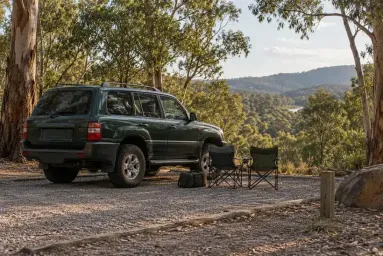
Understanding 4x4 Basics in Australia

Choosing the right 4x4 vehicle can be overwhelming, especially with so many options available. To help navigate this journey, understanding the fundamentals of four-wheel drive systems is essential for any outdoor enthusiast looking to explore Australia’s diverse landscapes.
What You Will Learn
- 4x4 vehicles distribute power to all four wheels, enhancing traction and control in challenging terrains.
- Distinguishing between 4WD, AWD, and 2WD systems is crucial for selecting the right vehicle for your adventures.
- Differential systems are essential for maintaining stability and performance when navigating uneven surfaces.
- Understanding how your 4WD system operates prepares you for specific off-road scenarios and boosts confidence on the road.
Key Differences: 4WD vs AWD vs 2WD Systems
This visual highlights the core distinctions in power distribution and intended use among Four-Wheel Drive (4WD), All-Wheel Drive (AWD), and Two-Wheel Drive (2WD) systems.
Understanding 4x4 Basics in Australia: What Does 4x4 Mean?
As a passionate four-wheel drive enthusiast, I often get asked about what 4x4 truly means in the Australian context. Simply put, when we refer to a 4x4 vehicle, we are talking about a vehicle that can distribute power to all four wheels simultaneously. This ability gives the vehicle enhanced traction and control, making it ideal for navigating Australia's diverse terrains—from sandy beaches to rocky mountains. Understanding the basics of four-wheel drive is essential for anyone looking to explore the great outdoors safely and confidently!
In Australia, the term "4x4" has become synonymous with adventure and exploration. Whether you're planning a weekend getaway or a long-distance journey through rugged landscapes, knowing how 4x4 systems work will help you make informed decisions on your off-road journey. Let's dive deeper into the core concepts of four-wheel drive.
Defining Four-Wheel Drive: An Overview
Four-wheel drive (4WD) is a system that allows all four wheels of a vehicle to receive power from the engine. This capability is crucial when driving in challenging conditions, where traditional two-wheel drive (2WD) vehicles might struggle. With a 4WD system, you can experience better traction and stability, especially in off-road situations.
- Enhanced traction: 4WD provides better grip on uneven surfaces.
- Improved stability: Power distributed to all wheels helps maintain control.
- Versatility: Suitable for various terrains, from mud to snow to sand.
As a 4x4 enthusiast, I can assure you that understanding these mechanics can significantly enhance your driving experience and allow you to tackle Australia's varied landscapes with confidence!
Key Differences: 4WD vs AWD vs 2WD
Now, let’s explore some key differences between four-wheel drive (4WD), all-wheel drive (AWD), and two-wheel drive (2WD) systems. Knowing these differences can help you choose the right vehicle for your off-road adventures:
- 4WD: Designed for off-road conditions, allowing the driver to switch between 2WD and 4WD.
- AWD: Automatically distributes power to all four wheels, ideal for on-road and light off-road use.
- 2WD: Power is sent to either the front or rear wheels, typically more fuel-efficient but less capable off-road.
Understanding these differences is vital for choosing the right vehicle to match your adventure needs. It’s essential to consider your intended use, whether it be daily driving or tackling rugged trails in the Aussie bush!
The Role of Differential Systems in 4WD Performance
Differential systems play a crucial role in the performance of four-wheel drive vehicles. They allow the wheels to rotate at different speeds, which is essential when turning or navigating uneven surfaces. Without a functional differential, you may encounter issues like wheel slip or loss of control, especially in tricky terrains.
- Open Differential: Standard type, allows wheels to turn at different speeds but may struggle in low traction.
- Limited Slip Differential: Helps to distribute torque effectively, enhancing traction on slippery surfaces.
- Locking Differential: Locks both wheels together for maximum traction in difficult conditions.
As you venture off-road, understanding how these differential systems work will empower you to make better driving choices, ensuring your exciting adventures are both safe and memorable!
How Four-Wheel Drive Works: The Mechanisms Explained
Now that we've covered the basics, let's dive into how four-wheel drive systems function. Understanding the mechanics behind 4WD will help you appreciate its capabilities and limitations when tackling Australia’s challenging terrains.
From drivetrain basics to the role of the transfer case, I’ll break down the essential elements that make 4WD systems so effective in off-road driving. Let’s explore these fascinating mechanisms together!
Pro Tip
When venturing off-road in your 4x4, always remember to check your tire pressure before hitting the trails. Lowering your tire pressure can significantly enhance traction on soft surfaces like sand and mud, allowing for a smoother ride and reducing the risk of getting stuck.
Summarizing the Essentials of 4x4 Systems
As we wrap up our exploration of 4x4 systems, it's crucial to grasp the core concepts that make these vehicles special. Understanding 4x4 basics in Australia not only boosts your confidence on the road but also enhances your off-road adventures. Here are some key takeaways to keep in mind:
- Four-wheel drive (4WD) systems provide enhanced traction and control, especially in challenging terrains.
- Recognizing the differences between 4WD, all-wheel drive (AWD), and two-wheel drive (2WD) can guide you in choosing the right vehicle.
- The role of differentials is critical in maintaining stability and performance across various surfaces.
- Understanding the mechanisms of your 4WD system will prepare you for specific off-road scenarios.
These fundamentals will serve as a strong foundation as you embark on your 4x4 journey. With the right knowledge, you can tackle Australia’s diverse landscapes with confidence and ease!
Making an Informed Decision: Choosing the Right 4WD for Your Needs
Choosing the right 4WD can feel daunting, but it’s all about aligning your vehicle with your adventure goals. Here’s a quick checklist to help you make an informed decision:
- Purpose: Determine whether you’ll use your 4x4 for daily driving, weekend excursions, or extreme off-roading.
- Terrain: Assess the types of environments you plan to explore—rocky trails, sandy beaches, or muddy paths.
- Features: Look for essential features like ground clearance, skid plates, and recovery gear compatibility.
- Comfort and Capacity: Consider passenger and cargo space for comfortable travel.
Taking these factors into account will ensure that your 4WD aligns with your lifestyle and adventure aspirations. Remember, I’m here to share insights that can guide you in making the best choice!
Frequently Asked Questions About 4x4 Systems
Here are some common questions about 4x4 systems to further enhance your understanding and confidence.
Join the 4x4 Community: Further Resources and Engagement
Now that you have a solid grasp on 4x4 systems, joining the wider community can enhance your experience even further. Engaging with fellow enthusiasts not only expands your knowledge but also opens up opportunities for shared adventures!
Where to Find More Information on 4WD Vehicles
For those looking to deepen their understanding of 4WD, there are numerous resources available:
- Websites: Explore the latest guides and reviews on the Four Wheel Drive Terrain Guide.
- Forums: Join online communities where drivers share tips, stories, and advice.
- YouTube Channels: Tune into channels dedicated to off-roading techniques and vehicle reviews.
These platforms can provide you with invaluable insights to prepare for your next adventure!
Connect with Fellow 4x4 Enthusiasts and Experts
Connecting with others who share your passion for off-roading can enrich your experiences. Here’s how you can find and connect with fellow 4x4 lovers:
- Social Media Groups: Join Facebook groups or other social media platforms dedicated to 4WD enthusiasts.
- Local Meetups: Attend local 4x4 meets or events to network and share experiences.
- Workshops: Engage in workshops or seminars focusing on off-road driving skills and vehicle maintenance.
These connections can lead to lifelong friendships and unforgettable adventures!
Exploring 4WD Clubs and Off-Road Driving Courses for Skill Development
If you’re serious about honing your off-road skills, consider joining a club or enrolling in a course. Here’s what you can expect:
- Skill Development: Learn essential off-road techniques and safety practices.
- Guided Trips: Participate in organized trips where you can practice your skills in a supportive environment.
- Community Engagement: Benefit from the shared knowledge and support of club members.
These opportunities will not only enhance your driving ability but also enrich your overall 4x4 experience. So, let’s get out there and enjoy the incredible landscapes Australia has to offer!
Recap of Key Points
Here is a quick recap of the important points discussed in the article:
- Four-wheel drive (4WD) systems provide enhanced traction and control, especially in challenging terrains.
- Recognizing the differences between 4WD, all-wheel drive (AWD), and two-wheel drive (2WD) can guide you in choosing the right vehicle.
- The role of differentials is critical in maintaining stability and performance across various surfaces.
- Understanding the mechanisms of your 4WD system will prepare you for specific off-road scenarios.